
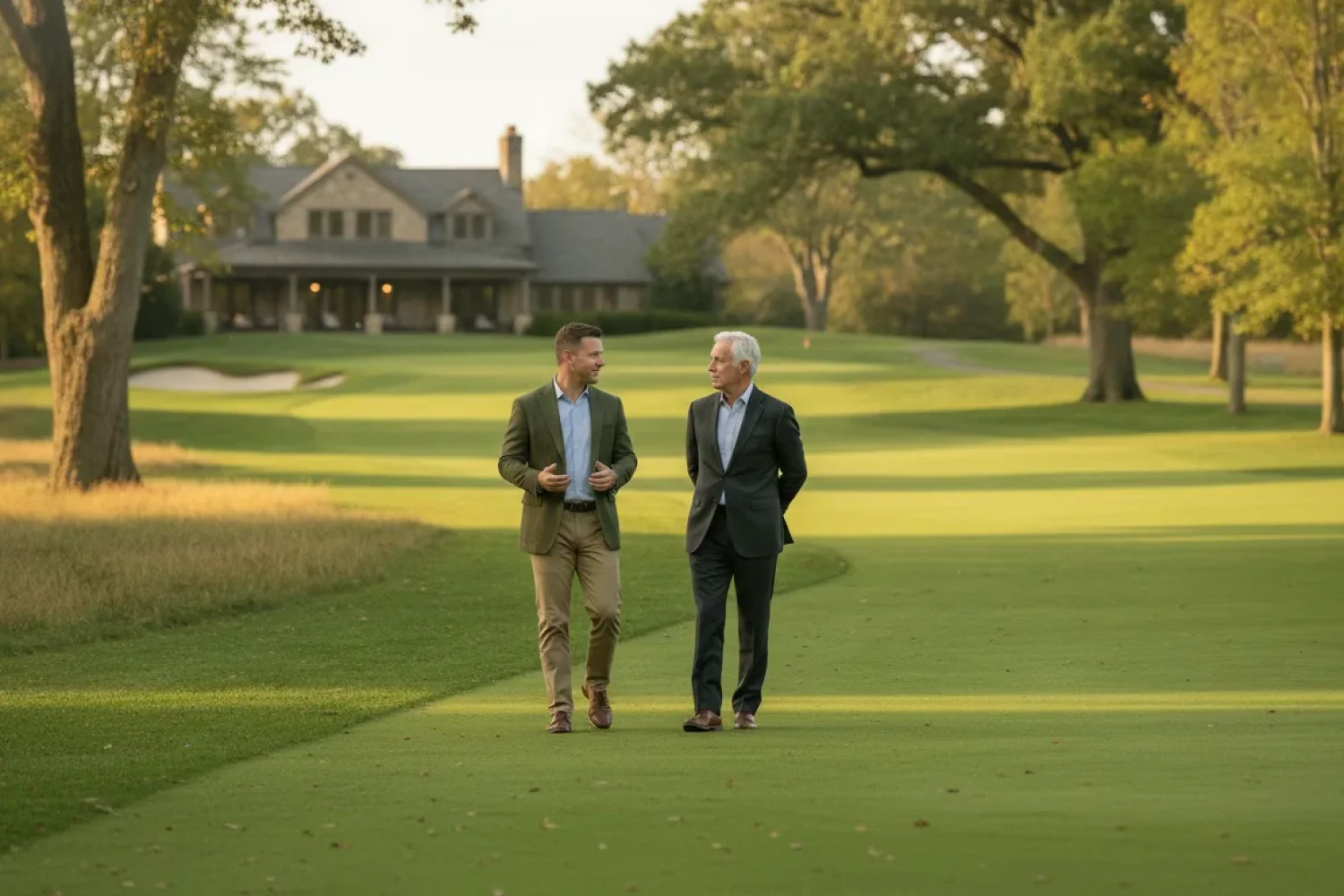
Knowing how to choose a golf course broker matters because a course is more than a piece of real estate. Its operating model, membership relationships, land, improvements, reputation, and buyer pool all shape the engagement. The right broker helps an owner make informed decisions about positioning, confidentiality, diligence, and the path to a successful transaction.
Use the criteria below to compare fit before you sign an engagement. A broker should be able to explain what they will do, who will lead the work. How they will protect sensitive information, and how their approach will reflect your course and your objectives.
Call Fairway Advisors at (214) 485-1500 for a confidential conversation about your golf course transaction.
How to choose a golf course broker with the right specialization?
Golf properties combine real estate, daily operations, memberships, programming, maintenance responsibilities, water and environmental considerations, and local relationships. A broker who mainly handles conventional commercial property may understand the real estate side without understanding how course conditions. Club culture, membership obligations, or operating continuity affect a transaction.
Specialization does not mean every course receives the same playbook. A private club, a daily-fee course, a resort property, and a municipal facility can have very different ownership structures and stakeholder needs. The broker should begin by learning what the owner wants to accomplish, what must remain confidential, and which issues could influence buyer interest.
Ask whether the broker has worked with properties that resemble yours in operating model and complexity. Ask how they evaluate the relationship between the land, improvements, golf operations, ancillary uses, and any membership or governance considerations. The answers should be specific enough to show experience without disclosing confidential client information.
Also look for a broker who can support both the strategic and practical sides of the assignment. Fairway Advisors describes its work as full-service brokerage for private, semi-private, and daily-fee public golf properties. Learn more about its sell-side golf course brokerage approach, then use the same questions to evaluate any firm you interview.
What experience should a golf course broker be able to show?
Ask for examples involving courses with comparable ownership and operating characteristics. You do not need confidential deal details. You do need to understand whether the broker has handled private clubs, daily-fee facilities. Resort courses, portfolios, distressed situations, or land-use questions that resemble the issues in front of you.
Clarify who will actually lead the engagement. Some firms introduce a senior professional and then transfer day-to-day work to a larger team. That can be appropriate when responsibilities are clear, but an owner should know who will conduct the initial analysis, communicate with qualified buyers, manage negotiations, and coordinate diligence.
Ask how the broker stays informed about the golf market and how relationships are built. A national reach can expand the pool of qualified buyers. But broad reach is useful only when the broker understands which buyers fit the course and can approach them discreetly. The broker should be able to discuss buyer qualification without promising a particular result.
Fairway Advisors reports experience across more than 30 states and select international markets. Its founder’s background includes more than 30 years in golf transactions and advisory assignments. Those are credentials to investigate, not guarantees. Ask what the experience means for your course, who will be involved, and how the firm’s knowledge will shape the engagement.
For additional context, review Fairway Advisors’ golf transaction experience, then request a direct explanation of how the proposed team would apply that experience to your objectives.
How should a broker approach golf course valuation and diligence?
Valuation is one of the clearest ways to test a broker’s golf-specific knowledge. Ask the broker to explain the approaches they may consider and the data each approach requires. Government guidance recognizes income, sales-comparison, and cost approaches for golf course valuation when sufficient information is available. The useful question is not which formula sounds most impressive. It is whether the method fits the property and the evidence.
A sales comparison requires genuinely relevant comparable properties. A broker should be able to discuss differences in location, course type, condition, operating model, land use, and market context. When local evidence is limited, comparable research may need to expand to a wider geographic area. That is where a specialized network and disciplined judgment become important.
Ask how the broker will review operating records without reducing the course to a single financial figure. Golf properties can have several income sources and expense categories. The review should consider membership structure, rounds, ancillary operations, maintenance needs, capital requirements, and the quality of the underlying records. It should also identify questions that need a CPA, attorney, environmental professional, or other specialist.
Physical diligence matters as well. Bunkers, tees, fairways, drainage, irrigation, buildings, access, and deferred maintenance can influence buyer questions and transaction terms. A broker who understands these issues can help organize the diligence process and surface questions before they become surprises.
Use Fairway’s guide to golf course valuation factors as a starting point. For broader operational and transaction support, explore its golf course transaction advisory services.
How will the broker position the property and reach qualified buyers?
Ask the broker to describe how they would position your course before they discuss exposure. The answer should cover the property’s operating identity, physical attributes, location, membership or customer base, management context, and possible buyer motivations. A generic listing description is not a strategy.
Next, ask how the broker identifies and qualifies buyers. A broad contact list is not the same as a group of buyers who understand golf assets. Can meet the transaction requirements, and have a reason to engage with the opportunity. The broker should explain how inquiries are screened and how sensitive information is released responsibly.
Confidentiality deserves its own discussion. Owners may need to protect employees, members, vendors, lenders, and community relationships while testing the market. Ask what information is shared at each stage, when confidentiality agreements are used, how data-room access is managed, and who receives updates. A broker should be comfortable explaining how discretion works in practice.
There is no universal sale method. Depending on the property and the owner’s goals, an engagement may use invitation-only outreach, broader market exposure, a request for proposals, or another structured approach. The broker should explain the reasoning behind the recommended path rather than treating one method as a default.
Read Fairway’s guide to preparing to sell a golf course for related owner questions. Then ask each broker to connect the proposed marketing approach to your property’s specific circumstances.
What should private clubs ask about governance and confidentiality?
Private clubs often require a more deliberate stakeholder plan than an individually owned daily-fee course. Board responsibilities, bylaws, member communications, approval requirements, club traditions, and service expectations can all influence how an engagement is structured.
Ask the broker how they would help the board communicate with members without disclosing information prematurely or creating unnecessary disruption. Ask who will coordinate with counsel, management, committee leaders, and other advisors. A broker does not replace the club’s attorney or governance process, but should know when those professionals need to be involved.
Confidentiality also has a human dimension. Members and employees may have strong ties to the club. The broker should be able to discuss a measured information plan, appropriate points of contact, and the difference between keeping a process discreet and keeping decision-makers uninformed.
Course condition and service continuity deserve attention, too. A buyer may evaluate the physical property, operations, member experience, and future capital needs together. A broker familiar with member-owned environments can help the board organize those questions while keeping the engagement aligned with its legal and fiduciary advice.
When interviewing a broker for a private club, ask for examples of governance-sensitive assignments and the lessons learned. Fairway provides information about member-owned club transactions that can help frame this conversation.
What support should you expect through diligence and closing?
Before signing, ask for a plain-language description of the work from engagement through closing. It should identify the broker’s role in preparing information, presenting the opportunity, responding to buyer questions, coordinating access, managing communications, and helping the parties move through negotiations.
Diligence can include operations and management, ownership and title, liens, zoning, environmental matters, leases, course condition, and physical maintenance. Massachusetts commercial-brokerage guidance describes due diligence as investigating operations and management and verifying material facts. That does not make the broker a substitute for legal, tax, engineering, environmental, or accounting professionals. It does show why the broker should have a process for identifying issues and directing them to the right specialists.
Ask how the broker handles requests for information and keeps the owner informed. A useful process creates a clear record of open questions, responsible parties, and decisions. It also protects the owner’s time by organizing buyer communication instead of allowing diligence to become a stream of disconnected requests.
Negotiation support should be equally clear. Ask how the broker will present commercial terms, explain tradeoffs, coordinate with counsel, and preserve the owner’s objectives. The right broker provides informed guidance while keeping the owner and the owner’s advisors in control of final decisions.
For a broader overview, review this golf course sale process guide. Choose a broker whose proposed scope is specific enough that you can recognize the work at each stage.
What questions should you ask before selecting a broker?
- Which golf properties most closely resemble ours? Ask about operating model, ownership structure, property characteristics, and stakeholder complexity.
- Who will lead the engagement? Confirm the senior contact, day-to-day team, responsibilities, communication rhythm, and decision points.
- How will you approach valuation and market evidence? Look for a clear explanation of methods, comparable properties, operating records, physical condition, and specialist input.
- How will you identify and qualify buyers? Ask how relationships, outreach, screening, confidentiality agreements, and information release work together.
- What sale or marketing approach fits our objectives? The answer should explain why a method fits the property, the owner, and the desired level of exposure.
- How do you handle private-club governance? If relevant, ask about board communication, member expectations, bylaws, votes, and continuity.
- What happens after an interested buyer appears? Ask about diligence coordination, negotiation, counsel, open issues, and closing support.
| Selection area | What a strong answer includes |
|---|---|
| Specialization | Relevant golf property and operating experience, not only general commercial brokerage. |
| Valuation and diligence | A property-specific method, clear evidence requirements, and coordination with specialists. |
| Buyer reach | Qualified-buyer relationships, screening, and a responsible information-release process. |
| Engagement scope | Named team members and defined support from preparation through closing. |
As you compare answers, listen for specificity and restraint. A strong broker can explain the process without promising a guaranteed outcome. Be cautious if the proposal is vague about the actual team, relies on generic property language, avoids difficult diligence topics, or treats confidentiality as an afterthought.
Finally, choose a partner whose working style fits the stakes of the assignment. You are not only selecting a marketing channel. You are selecting the person and process that will help you make decisions throughout a complex golf course transaction.
Frequently Asked Questions
What should I look for in a golf course broker?
Look for directly relevant golf transaction experience, a clear valuation and diligence process, qualified-buyer relationships, confidentiality practices, and defined support through negotiation and closing. The broker should also explain who will lead the engagement and how the approach will reflect your course’s operating and ownership context.
How can I evaluate a broker’s golf course experience?
Ask about comparable property types, the broker’s personal role in prior engagements, the team assigned to your work. And how the firm handles private clubs, daily-fee facilities, resort properties, or complex ownership structures. Request specific examples without asking for confidential deal information.
Why does confidentiality matter when selecting a golf course broker?
Owners may need to protect employees, members, vendors, lenders, and community relationships while exploring a transaction. Ask how information is staged, when confidentiality agreements are used, how buyer inquiries are screened, and who controls access to sensitive materials.
Should a golf course broker help with diligence and closing?
For a full-service engagement, the broker should help organize information, coordinate buyer questions and access, support negotiations. Track open issues, and work with the owner’s legal, tax, engineering, environmental, and accounting advisors through closing. The engagement should define this scope clearly.
Call Fairway Advisors at (214) 485-1500 for a confidential conversation about your golf course transaction.
Schedule a Confidential Golf Course Brokerage Conversation
Choosing the right broker can help you approach valuation, confidentiality, qualified-buyer outreach, and transaction support with a clear plan. Schedule a confidential conversation with Fairway Advisors to discuss your golf course brokerage or advisory needs. Call (214) 485-1500 or contact Fairway Advisors online.