
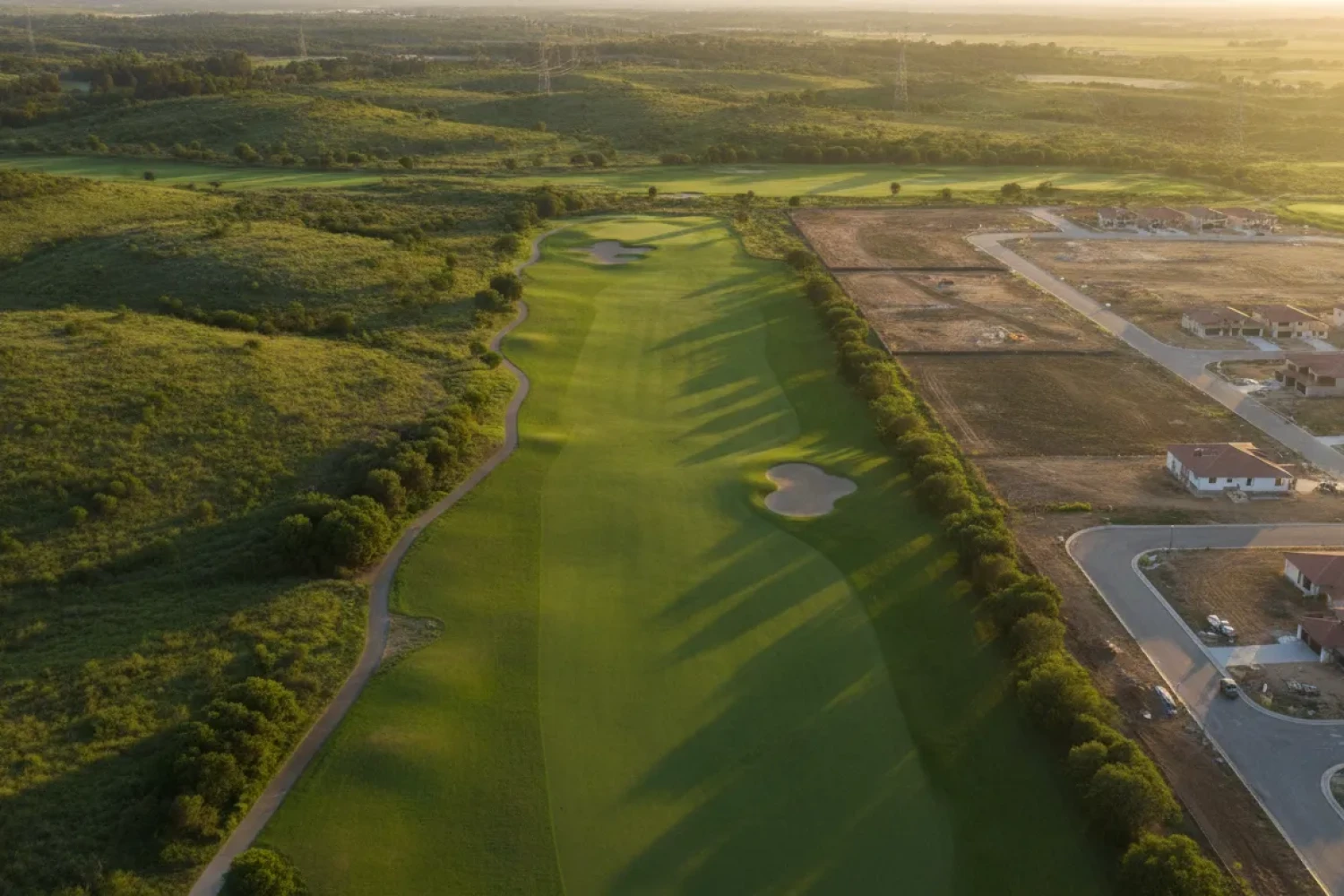
If you are researching golf course land value alternative use, a developer inquiry is only the beginning of the analysis. A golf property can have value as an operating business, as a complete golf asset, or as land that may support another use. The right conclusion depends on what the market wants, what the site can physically support, what local rules permit, and what the owner would give up by changing the property.
Discuss your golf property with Fairway Advisors
Short answer: Treat alternative use as a feasibility question, not as an assumed source of value. Compare continued golf operations, a sale as a golf asset, and a realistic alternative use after reviewing demand, access, utilities, zoning, environmental conditions, easements, title, and operating obligations.
This is more specific than a standard property valuation. A broader golf course valuation guide can explain the major factors that affect a golf asset, while an alternative-use review asks whether another strategy is practical, permitted, and supported by market evidence. The analysis should keep the land and the operating business distinct without losing sight of how they affect one another.
When Can Golf Course Land Value Exceed Business Value?
A golf course is both real estate and an operating enterprise. The business includes the customer experience, facilities, staff, memberships or other obligations, maintenance program, and systems required to keep the property functioning. The real estate includes the land, buildings, access, course improvements, utilities, and possible uses beyond golf. These components may point toward different ownership or transaction strategies.
Land deserves a closer review when a feasible use may create more value for the owner than the current operation can capture. That statement does not mean redevelopment is allowed, that a buyer will pay for a concept, or that closing the course is the best choice. It means the owner should compare alternatives using evidence rather than relying on a preliminary conversation.
Separate the three questions
- Can the golf operation continue? Review the course, facilities, customer commitments, staffing, maintenance needs, and operating obligations as a complete business.
- Could the property sell as a golf asset? Consider how a golf buyer would assess location, condition, access, facilities, market position, and the opportunity to operate the property.
- Is an alternative use feasible? Test demand, physical conditions, entitlements, infrastructure, environmental matters, and the likely path from concept to an actual transaction.
Developer interest can be a useful reason to start this work, but it is not proof of demand or value. The proposed use still needs to fit the location, the surrounding market, the site’s constraints, and the owner’s goals. A golf-specific broker can help keep the comparison grounded in how golf operators, land buyers, and investors may evaluate the same property differently.
Signals that justify a closer land review
- Credible interest from parties proposing a defined use rather than a vague inquiry.
- Changes in surrounding development, transportation, employment, housing, or commercial demand.
- Physical separation between a potentially usable parcel and the course’s essential playing, maintenance, drainage, or access areas.
- Operating conditions that make an owner want to evaluate more than one long-term strategy.
- Known zoning, access, utility, environmental, or title questions that could materially affect the property’s options.
These signals should open an investigation, not settle it. The central question is whether the alternative use is plausible in this location and compatible with the obligations attached to the property.
How Is Golf Course Land Value Alternative Use Assessed?
A useful assessment moves from broad market questions to property-specific diligence. It should define the proposed use clearly enough to test, identify the people or organizations that would demand it, and document what could prevent the concept from moving forward. A conversation about a possible use is not a feasibility study, and a feasibility study is not an entitlement or a guaranteed transaction outcome.
Start with market demand
First determine whether the proposed use has a realistic audience. Review the surrounding area, competing sites, access to employment or population centers, transportation patterns, and the kind of product the market could absorb. The analysis should ask who might buy, lease, occupy, or otherwise use the completed project and what alternatives they already have.
Market demand also needs to be compared with the golf property’s existing role. A location that attracts golf customers may also attract other users, but those audiences are not interchangeable. The property’s visibility, traffic pattern, community relationships, and surrounding land uses may support one concept while weakening another.
Test what the site can physically support
A parcel’s size on a map does not show its usable area. Review topography, soils, drainage, wetlands, floodplain conditions, existing structures, environmental history, access points, utility capacity, and the relationship between developable areas and course infrastructure. These conditions may narrow the concept, require additional investigation, or make an area unsuitable for the proposed use.
Access and utilities deserve their own review. A project may require a public-road connection, upgraded water or sewer service, power capacity, stormwater improvements, or emergency access. Nearby infrastructure is not the same as a lawful and practical connection. Easements, shared facilities, and construction access can affect both the proposed project and any golf operation that remains.
Learn about Fairway Advisors’ alternative-use advisory
Review operating and contractual obligations
Existing obligations can make a theoretical land plan difficult to execute. Review title, easements, access rights, drainage responsibilities, conservation interests, shared facilities, membership commitments, vendor arrangements, and other agreements that affect the property. The owner should also understand how construction, partial disposition, or a change in use could affect guests, staff, neighbors, and the continuity of golf operations.
This is where land analysis and business analysis must stay connected. Land that looks unused may support drainage, cart circulation, maintenance, utilities, safety, buffers, or future course improvements. Conversely, a parcel that is not essential to the course may deserve its own market and entitlement analysis. The answer is site-specific.
What Do Zoning and Entitlements Mean for Redevelopment?
Zoning and entitlements provide the legal and administrative path for a proposed use. They do not establish that the use will be approved or that a buyer will pay for the possibility. A credible review identifies the governing rules, the approvals required, the agencies involved, and the conditions that could change the project.
Confirm the governing land-use framework
Identify the parcel’s zoning designation, permitted uses, dimensional standards, overlays, parking and access requirements, development restrictions, and applicable planning policies. Confirm which local bodies control each part of the process. A county, municipality, planning commission, zoning board, or other agency may have separate authority over different approvals.
Planning documents can provide useful context about growth, conservation, transportation, housing, or open-space priorities. They are important signals, but they are not the same as a zoning approval. Owners should use the current rules and local guidance for the specific property rather than applying a land-use assumption from another jurisdiction.
Map the required approvals
Once the development program is defined, identify whether it requires a rezoning, special permit, variance, subdivision, site-plan review, environmental review, or other approval. The program should show the intended use, access, building areas, circulation, stormwater approach, and relationship to neighboring properties well enough for professionals to evaluate it.
Local land-use counsel, planners, civil engineers, environmental consultants, and public agencies should address matters within their authority. A broker can coordinate the commercial and transaction analysis, but no broker can guarantee a public approval.
Investigate environmental and natural-resource conditions
Environmental diligence may address prior uses, hazardous materials, remediation, wetlands, streams, floodplains, protected habitat, stormwater, and other natural-resource issues. These conditions can change the developable area or add review by local, state, or federal agencies. Investigate them early so that the owner does not treat a constrained parcel as though every acre were available for the same use.
Can Excess Land Be Monetized Without Selling the Whole Course?
Sometimes, but only when the parcel can function independently without weakening the golf property. An edge tract, maintenance area, or open space may look excess while still supporting drainage, fairway safety, utilities, emergency access, buffers, or the playing experience. The question is not whether the land is empty. The question is whether it is genuinely nonessential and can be separated responsibly.
| Strategy | What it tests | Questions to answer |
|---|---|---|
| Continued operation | Retention of the complete golf facility and operating business. | Can the course, facilities, infrastructure, and obligations continue to work together? |
| Whole-property sale as a golf asset | Transfer to a buyer who values the property as a golf operation. | What would a qualified golf buyer need to understand about condition, access, demand, and operations? |
| Excess-parcel strategy | Separate disposition or compatible use for land not essential to the course. | Can the parcel preserve access, utilities, drainage, safety, and continuity after separation? |
Check independence before marketing a parcel
A parcel should have a lawful and safe access plan, or a realistic path to one. Review recorded easements, title restrictions, utility crossings, drainage patterns, wetlands, floodplain conditions, and stormwater facilities. Determine whether a transfer would create new obligations for the remaining course or make the proposed parcel dependent on facilities that cannot be shared easily.
Safety and continuity are equally important. New activity near a fairway, practice area, clubhouse, or maintenance route can affect play, staff movement, guests, emergency response, and construction access. A partial disposition may preserve the course, but it may also create operational conflicts if the boundaries and responsibilities are not carefully planned.
Compare the parcel strategy with the whole-property options
An excess-parcel strategy should be compared with continued operation and a whole-property sale, not evaluated in isolation. The right comparison depends on site constraints, market demand, required approvals, operating obligations, and the owner’s objectives. Golf course valuation analysis can provide the broader framework, while a property-specific alternative-use review tests whether a separate land strategy is supportable.
What Should an Owner Do Before Pursuing an Alternative Use?
- Define the decision. State whether the goal is to preserve the course, explore a partial disposition, evaluate a whole-property sale, or compare all of these options.
- Describe the proposed use. A specific concept is easier to test than a general statement that the land could be redeveloped.
- Assemble property information. Gather surveys, title materials, easements, existing plans, utility information, environmental records, operating information, and relevant agreements.
- Test the market. Examine demand, competing sites, likely users, and the characteristics that could make the property attractive or difficult for a buyer or developer.
- Confirm local requirements. Ask qualified local professionals and agencies to identify zoning, entitlement, environmental, access, and infrastructure issues.
- Compare outcomes. Put continued golf operations, a golf-asset sale, and a feasible alternative use on the same decision framework.
- Protect confidentiality. Determine who needs information, what should be shared, and how a market discussion could affect the ongoing operation.
This process helps owners avoid two common errors: treating speculative land potential as established value, or dismissing a credible alternative without testing it. The goal is not to force a redevelopment decision. It is to understand the property’s choices well enough to make a deliberate transaction or operating decision.
Why Work With a Golf Course Broker on Alternative Use Decisions?
Alternative-use decisions sit at the intersection of golf operations, commercial real estate, land-use diligence, and transaction strategy. A golf course broker can help an owner compare how an operator, developer, investor, or other buyer may view the same property. That perspective is especially important when the land and the business point toward different strategies.
Fairway Advisors represents both buyers and sellers. That dual perspective supports a more complete review of the information a market participant may request, the characteristics a golf operator may value, and the questions that should be answered before a confidential discussion. Fairway can coordinate market analysis, valuation analysis, feasibility work, demographics analysis, environmental remediation assessment, and related diligence as appropriate to the assignment.
Those services do not replace local land-use counsel, engineers, environmental professionals, or governmental review. They organize the commercial and transaction questions around that professional work. They also help the owner compare an alternative-use concept with the property’s value as an operating golf asset instead of assuming that one lens tells the entire story.
Talk with Fairway Advisors about your property’s alternatives
Next Steps for Evaluating Golf Course Land Value
The most useful starting point is a disciplined comparison, not a headline estimate. Review the golf operation, the real estate, the surrounding market, the site’s constraints, and the approvals that a proposed use would require. Then decide which specialists and transaction strategy fit the property’s circumstances.
Fairway Advisors provides golf course brokerage and advisory services for owners and buyers evaluating complex golf properties. To discuss a potential sale, alternative use, or broader valuation question, visit the listing request page or review Fairway’s golf course advisory services.